Lower back pain is incredibly common — and even when you’re doing well, a flare‑up can still catch you off guard. It can feel sharp, tight, frustrating, or even scary, especially if you’ve been pain‑free for a while.
The reassuring truth is that most lower back flare‑ups are temporary, manageable, and not a sign of serious damage. Understanding what’s happening helps you stay calm and recover faster.
💡 What Exactly Is a Lower Back Flare‑Up?
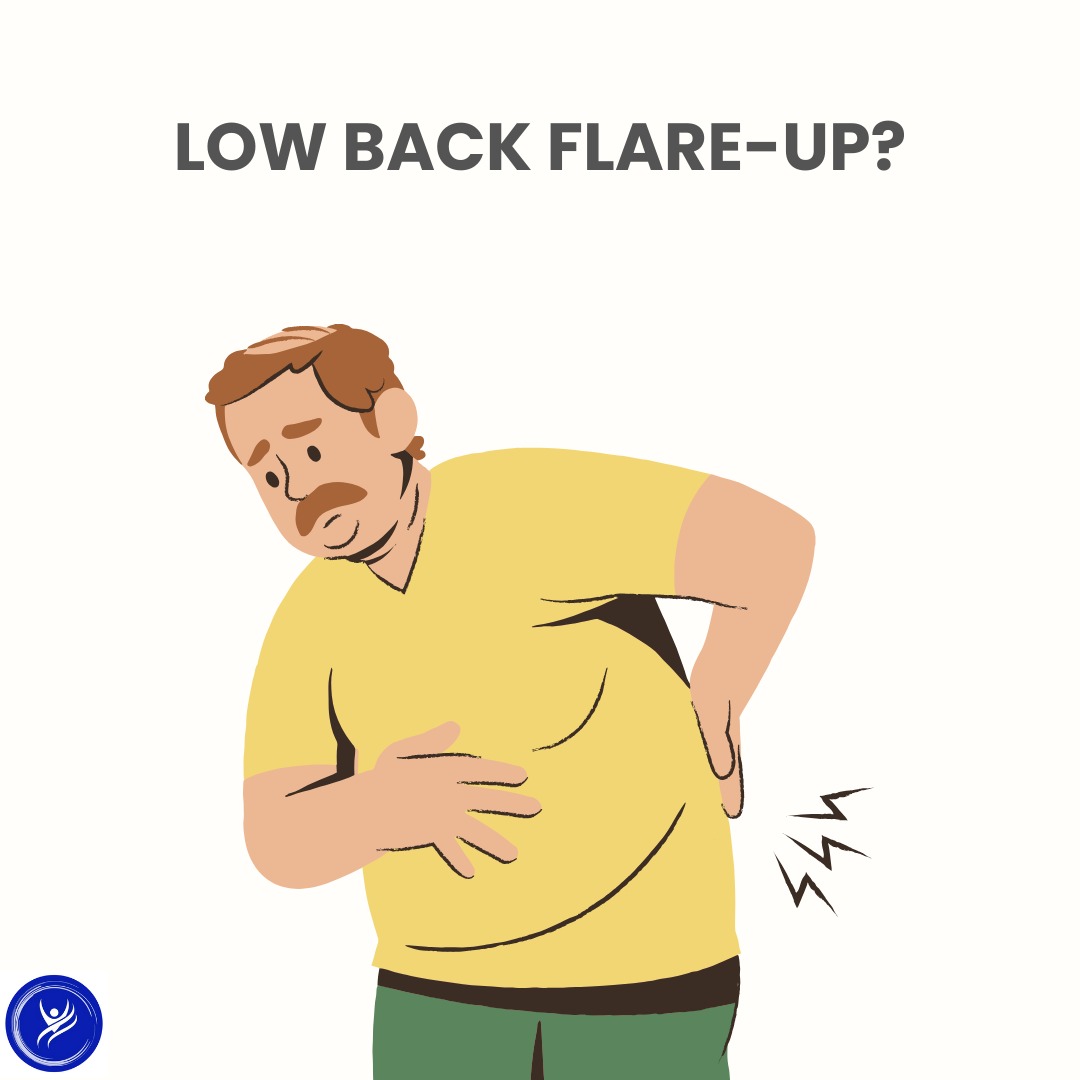
A flare‑up is a short period where your lower back becomes more sensitive or painful than usual. It can last a few hours to a few days.
Importantly, a flare‑up doesn’t always mean you’ve “hurt” your back again — often, it’s your body reacting to stress, tension, or overload.
⚡ Common Triggers of a Lower Back Flare‑Up
Flare‑ups often happen because of a combination of factors, such as:
- Sudden increase in activity
- Long periods of sitting
- Poor sleep or awkward sleeping positions
- Stress or emotional tension
- Cold weather tightening the muscles
- Reduced movement after a previous episode
- Long drives or repetitive bending
Most of the time, it’s not one big event — it’s several small things adding up.
🧠 Why Flare‑Ups Feel Worse Than They Are
When your back becomes sensitive, your nervous system becomes more alert. This can make normal movements feel painful or threatening, even when the tissues are not damaged.
Think of it like a smoke alarm that goes off too easily — loud, but not dangerous.
Understanding this helps reduce fear, which is important because fear can actually increase pain.
🛠️ What You Can Do During a Flare‑Up
Here are gentle, effective strategies that often help:
🚶 Keep Moving (Gently)
Avoid complete rest. Light movement helps reduce stiffness and calms the nervous system.
🔥 Use Heat for Comfort
A warm shower or heat pack can relax tight muscles.
⏳ Pace Your Activities
Break tasks into smaller chunks. Don’t push through pain, but don’t avoid movement entirely.
🌬️ Breathe and Relax
Stress increases muscle tension. Slow breathing can help reduce discomfort.
💬 Stay Positive
Most flare‑ups settle within a few days. Reminding yourself that this is temporary can ease anxiety.
🧑⚕️ When Should You See a Chiropractor?
A chiropractor can help if:
- Flare‑ups happen often
- Pain affects your daily life
- You’re unsure which movements are safe
- You want a personalised prevention plan
A chiro will assess your movement, identify contributing factors, and guide you with exercises tailored to your body.
🏋️ How to Reduce Future Flare‑Ups
You can lower your chances of flare‑ups by:
- Staying active regularly
- Strengthening your core and glutes
- Improving posture and movement habits
- Managing stress
- Taking breaks from long sitting
- Building confidence in movement
Small, consistent habits make a big difference.
🌟 Final Thoughts
A lower back flare‑up can feel overwhelming, but it’s usually a temporary increase in sensitivity — not a sign of serious harm. With the right approach, most people recover quickly and return to normal activities.
Understanding your body, staying calm, and keeping gently active are some of the most powerful tools you have.
📞 Contact Us
If you’re dealing with persistent glute pain or want personalised guidance, we’re here to help.
Reach out anytime for support, assessments, or advice tailored to your needs.
📧 Email: info@linkedhealthcentre.co.za
📱 WhatsApp: 060 720 9666
🌐 Website: https://www.hardiechiropractic.co.za/
📅 Book an Appointment
If you’re ready to get personalised help, reduce your pain, and start moving better, you can book a session with us in just a few seconds.